
You can sell a house with asbestos. It is legal in all 50 states, and most homes built before 1980 contain at least one asbestos-containing material somewhere in the structure. What determines your options is whether the material is friable or not, which state you are in, and whether your buyer needs FHA or VA financing. Those three variables set your disclosure obligation, your remediation cost, and who can actually close on the house.
Friable vs. Non-Friable: The Line That Changes the Calculation
Asbestos fibers cause harm when they are airborne and inhaled. The distinction that federal regulators, state agencies, and mortgage lenders all draw is between asbestos-containing material that is releasing fibers and material that is not.
Non-friable asbestos is intact and bonded. It will not crumble when dry pressure is applied. Vinyl asbestos floor tiles from the 1960s, asbestos cement siding, and roofing shingles are common examples. If the material is in good condition and left undisturbed, it does not release measurable fiber concentrations into the air. Millions of American homes contain non-friable asbestos-containing materials right now, and those homes sell every day without a remediation contingency.
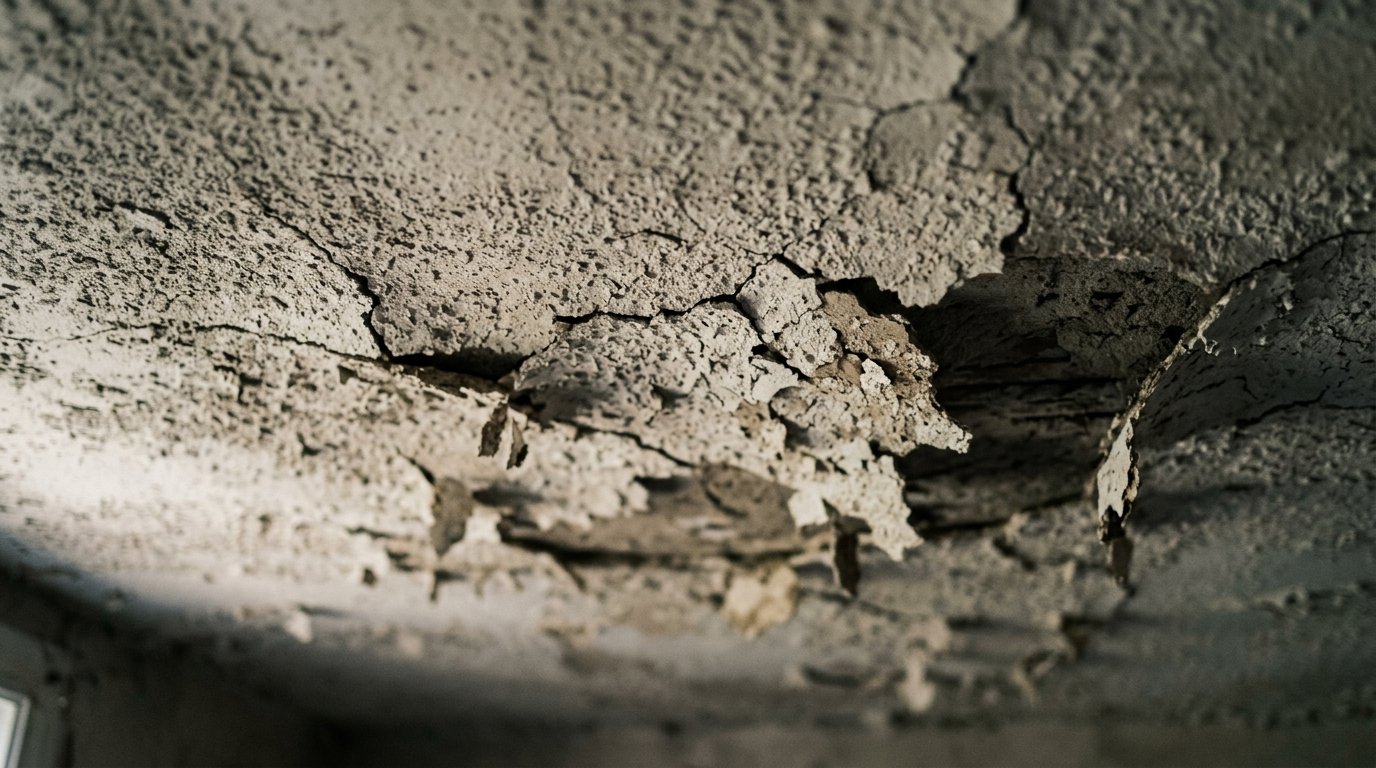
Friable asbestos is loose or crumbles easily by hand. Deteriorating pipe wrap, damaged boiler insulation, and popcorn ceiling texture that is peeling or cracking are the materials that trigger lender flags. When these are disturbed by foot traffic, HVAC airflow, or routine maintenance, they release chrysotile or amosite fibers into the breathing space.
Common locations in pre-1980 homes:
- Pipe and boiler insulation in basement utility areas, particularly 9-inch corrugated cloth wrap, the most frequently friable category
- 9x9 inch vinyl floor tiles and their black mastic adhesive
- Popcorn or acoustic ceiling texture applied before 1978
- Asbestos cement siding and roofing shingles
- Vermiculite attic insulation, particularly Zonolite-brand material sourced from the Libby, Montana mine
- Drywall joint compound in homes built before 1978
A visual inspection cannot confirm whether a suspect material contains asbestos. The only reliable method is laboratory analysis of a sample collected by an accredited inspector. Most residential surveys cost $250 to $800 depending on the number of materials sampled.
There Is No Federal Asbestos Disclosure Law for Home Sales
Most sellers assume that asbestos disclosure is governed by federal law the same way lead paint is. It is not. The Lead Disclosure Rule at 42 U.S.C. §4852d requires sellers of pre-1978 homes to give buyers a specific EPA pamphlet and a signed disclosure form, with civil penalties reaching $16,000 per violation. No equivalent federal statute applies to asbestos in residential real estate transactions.
The EPA does regulate asbestos disturbance under the National Emission Standards for Hazardous Air Pollutants program, at 40 CFR Part 61, Subpart M. That regulation applies to contractors performing renovation or demolition work on structures containing regulated asbestos-containing material. It is not a disclosure obligation imposed on a seller during a real estate transaction where the asbestos is undisturbed.
In March 2024, the EPA finalized a rule under TSCA Section 6(a) banning remaining commercial uses of chrysotile asbestos in the United States, published at 89 FR 21970 and codified at 40 CFR Part 751. That rule closed off industrial manufacturing uses. It did not create a residential real estate disclosure obligation.
Your disclosure duty is set by state law. That is where the practical requirements diverge.
What State Disclosure Laws Actually Require
Most states with a mandatory residential property disclosure form include a category for environmental hazards or known defects. Several name asbestos explicitly. A few states have no disclosure form and rely on common-law fraud and misrepresentation standards instead.
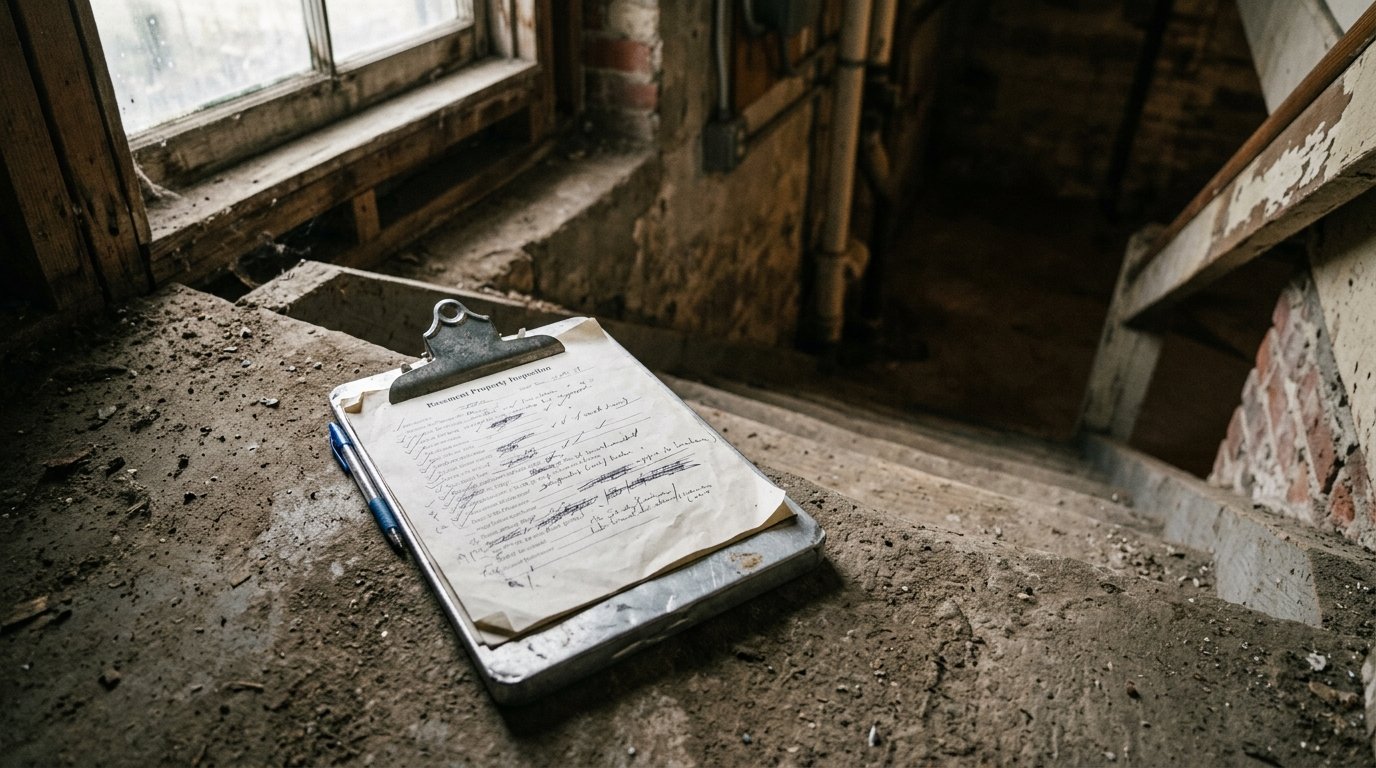
The practical rule in every state is the same: if you know asbestos-containing material is present, you cannot conceal it from a buyer who asks. What varies is whether there is a written form, whether you must volunteer the information unprompted, and what detail the form requires about location and condition.
- California: Cal. Civ. Code §1102 et seq. requires a Transfer Disclosure Statement covering known hazardous materials including asbestos. Sellers of pre-1978 homes with known asbestos must disclose it on the form.
- New York: NY RPL §462 requires a Property Condition Disclosure Statement. The form asks whether any hazardous substances or materials are present on the property, which covers known asbestos-containing materials.
- Texas: TX Property Code §5.008 requires disclosure of known defects materially affecting value. The standard TREC form does not have an asbestos-specific line, but the general defects section covers known asbestos conditions.
- Florida: There is no Florida-specific asbestos disclosure line on the state form, but Johnson v. Davis, 480 So.2d 625 (Fla. 1985) requires sellers to disclose material facts known to them that a buyer would not discover on reasonable inspection. Known asbestos falls within that duty.
- Vermont: 27 V.S.A. §2286 requires a Residential Property Condition Disclosure Report. The form specifically addresses known environmental hazards including asbestos-containing materials, their location, and condition.
- Oregon: ORS 105.465 requires the seller disclosure form, which covers environmental hazards including known asbestos-containing materials.
A few states, including Alabama and North Dakota, have no mandatory disclosure form and rely entirely on common law. In those states, you have no affirmative duty unless directly asked. A seller who knew about asbestos, said nothing when asked, and had that knowledge later documented would face fraud exposure regardless of what the state statute does or does not require.
Check with a local real estate attorney before closing, particularly if the material is friable or the scope of contamination is significant.
What FHA and VA Appraisers Flag
HUD Handbook 4000.1, Section II.A.8 governs FHA minimum property requirements and hazardous material standards. Appraisers are required to note observable health and safety concerns. The FHA position on asbestos is precise, and it is regularly misstated by agents and sellers:
Non-friable asbestos-containing material in good condition does not require repair or removal for FHA financing. The appraiser notes its presence, confirms it is undamaged, and the loan proceeds without a remediation condition.
Friable or visibly deteriorating asbestos-containing material is a required repair item under HUD 4000.1. If the appraiser observes crumbling, peeling, or damaged asbestos material, the loan is conditioned on remediation before funding. There is no workaround for an FHA buyer on a property with visible friable asbestos.
VA loans follow the same framework under VA Lender's Handbook Pamphlet 26-7, Chapter 12. Friable asbestos is a Minimum Property Requirements deficiency requiring correction before loan approval. Non-friable asbestos in acceptable condition does not block a VA appraisal.
The practical consequence: a house with deteriorating pipe wrap or peeling popcorn ceiling texture cannot close with an FHA or VA buyer until the material is remediated. In markets where FHA buyers represent 30 to 40 percent of purchase volume, this removes a large portion of your available buyer pool.
Encapsulation vs Abatement: The Costs Are Far Apart
When asbestos-containing material is friable or beginning to deteriorate, you have two approaches. The cost difference between them often determines which path makes financial sense.
Encapsulation coats the material with a penetrating or bridging sealant that prevents fiber release without removing it. The EPA recognizes encapsulation as a valid remediation method for material that is beginning to deteriorate but is not yet severely damaged. Cost: $2 to $6 per square foot. A 1,200 square foot main-level ceiling treated by encapsulation runs roughly $2,400 to $7,200.
Abatement removes the material entirely, with contractor containment setup, HEPA air filtration during work, and licensed waste disposal. It is required for heavily damaged material and for any project where renovation work would disturb the asbestos anyway. Cost: $5 to $20 per square foot for most residential materials. Pipe insulation runs $3 to $7 per linear foot. Vermiculite attic insulation typically runs $5 to $12 per square foot for removal because of the volume involved. A full removal of ceiling texture, floor tiles, and pipe wrap in a 1,500 square foot home can reach $15,000 to $30,000.
Air clearance testing after abatement, required before a lender will accept the remediation, adds $300 to $600. Factor it into every abatement estimate you receive.
A Worked Example: 1967 Ranch in Chittenden County, Vermont
A 1,400 square foot ranch built in 1967. After-repair value: $310,000. An asbestos survey found three materials present: popcorn ceiling texture on the main level (confirmed chrysotile, beginning to crack near a ceiling fan), pipe insulation on the basement utility lines (confirmed amosite, worn but currently non-friable), and 9x9 vinyl floor tiles in the kitchen and hallway (intact and non-friable). Vermont's disclosure form under 27 V.S.A. §2286 requires the seller to disclose all three once the survey is in hand.
Abatement contractor quote: $19,500 total, covering ceiling texture removal ($8,500), pipe insulation removal ($4,000), vinyl tile encapsulation ($3,800), and post-abatement air clearance ($3,200).
Path A: abate, repair cosmetic damage from ceiling removal, then list with an agent.
- Abatement plus clearance testing: $19,500
- Drywall repair and repaint after ceiling work: $4,800
- Agent commission at 5.5% of $310,000: $17,050
- Seller closing costs: $2,600
- Net at closing: $266,050
- Four-month carrying cost at $1,900/month (property taxes, insurance, heat): $7,600
- Adjusted net: $258,450
Abatement scheduling for a residential project in a New England market typically runs 4 to 8 weeks from contract to work-start, then 60 to 75 days average market time, then 30 to 45 days to close. Four to five months from today to proceeds is a realistic timeline.
Path B: sell as-is with full disclosure under 27 V.S.A. §2286 to a direct cash buyer who absorbs the remediation cost.
- Cash offer at 84% of ARV: $260,400
- No commission, no repairs, no carrying costs
- Net: $260,400, available in 10 to 14 days
The gap between the two adjusted figures is roughly $1,950 in favor of the cash path. The more significant factor in this example is capital availability: the seller needs roughly $24,300 available up front to fund abatement and repairs before the listing goes live. For a seller who cannot front that cost, the choice is not between two numbers. It is between one option that is actually available and one that is not.
Sellers across Vermont can request a direct offer at we buy houses in Vermont. For properties where asbestos sits alongside other deferred maintenance or material defects, the major repairs situation page covers how stacked conditions affect the buyer pool and the financing math.
Who Should Not Sell for Cash on an Asbestos Property
A cash offer is not the right answer for every seller with asbestos, and a post that only pitches one option is not a useful post.
If the asbestos-containing material is entirely non-friable and in good condition, your conventional buyer pool is intact. FHA and VA appraisers will note the material but will not condition the loan on removal. A traditional listing with full disclosure will almost certainly net more than a cash offer because you keep the full range of buyers and the market competition that drives price.
If the abatement scope is small and the cost is manageable, remediation before listing restores your FHA and VA buyer pool and narrows the discount a cash buyer would price in. In a case where targeted encapsulation costs $3,000 to $5,000, the traditional listing path will typically produce a better net outcome than the worked example above. The math favors cash mainly when abatement costs are large relative to ARV, when the timeline is fixed, or when funding a five-figure remediation before seeing a single buyer is not a realistic option.
A cash sale is also not a shortcut around disclosure. Under Vermont law and most state statutes, a seller who closes with a cash buyer must still provide the required disclosure. The cash sale changes your buyer pool and your timeline. It does not change what you are legally required to reveal.
Common Questions
Does federal law require sellers to disclose asbestos in a home sale?
No. There is no federal asbestos disclosure statute for residential real estate transactions. The Lead Disclosure Rule at 42 U.S.C. §4852d mandates disclosure of lead paint in pre-1978 homes, but no equivalent federal law covers asbestos. Your obligation is governed by your state's residential property disclosure statute, which varies significantly. Most states with a mandatory form include environmental hazards; some states have no required form at all and rely on common-law standards.
Can you sell a house with asbestos to an FHA or VA buyer?
It depends on the condition of the material. Non-friable asbestos-containing material in good condition does not block FHA or VA financing under HUD Handbook 4000.1 or VA Lender's Handbook Pamphlet 26-7, Chapter 12. The appraiser notes it, confirms it is not deteriorating, and the loan proceeds. Friable or visibly damaged asbestos is a required repair condition under both programs. The lender will not fund until the material is remediated and re-inspected.
What does asbestos abatement cost for a house?
Abatement runs $5 to $20 per square foot for most residential materials, with pipe insulation at $3 to $7 per linear foot and vermiculite attic removal at $5 to $12 per square foot. Encapsulation, which coats rather than removes the material, costs $2 to $6 per square foot and is EPA-recognized for material that is beginning to deteriorate but is not yet severely damaged. Air clearance testing after abatement adds $300 to $600. A residential survey to identify and sample suspect materials is a necessary first step and costs $250 to $800.
Can you sell a house with asbestos siding without removing it?
Yes, in most cases. Asbestos cement siding is typically non-friable when intact. It does not block conventional, FHA, or VA financing as long as it is in good condition and not crumbling or breaking apart. Disclosure under state law is required once you know it is there. Some buyers will negotiate a price adjustment to account for future replacement. Removal is generally not required as a condition of sale unless the siding is actively deteriorating.
If the asbestos in your house is friable, the abatement timeline is not workable, or the property has a combination of conditions that narrows your conventional buyer pool, a direct cash offer may be worth evaluating. We buy houses in all 50 states and Washington, D.C., with no repairs required and no commission. Request a cash offer here and we will give you a written number within 24 hours. The offer will reflect what we take on. You decide whether the trade makes sense.