
If your house sits in a FEMA Special Flood Hazard Area, you have fewer buyers than a comparable house two blocks away. Financed buyers purchasing a Zone AE or Zone A property must carry flood insurance as a lender condition under federal law, and that cost prices many of them out or makes their offers contingent on things that can still fall apart. A cash buyer carries no lender requirement, which is why cash offers arrive faster and with fewer conditions on flood zone properties.
What the FEMA flood zone designation on your property actually means
FEMA classifies properties on Flood Insurance Rate Maps (FIRMs). The zones that directly affect a residential sale are:
- Zone A: high-risk area with a 1% annual chance of flooding (the "100-year flood"). No Base Flood Elevation has been established, so insurance pricing is harder to pin down for buyers.
- Zone AE: high-risk, same flood probability, but FEMA has measured and published the Base Flood Elevation. Most residential mortgages in coastal and river-adjacent markets fall here.
- Zone VE: coastal high-risk with wave action. The strictest construction standards and the highest insurance premiums of any residential designation.
- Zone X (formerly Zone C): moderate or minimal risk. No mandatory purchase requirement for most federally backed loans.
Zones A, AE, and VE together make up what FEMA calls Special Flood Hazard Areas. Zone AE is what most sellers are dealing with. The designation comes from a FIRM map that may be years out of date, and the actual risk on your specific lot can differ from the map. That matters for the elevation certificate section below.
The federal mandatory insurance purchase requirement
Under 42 U.S.C. §4012a, the Flood Disaster Protection Act of 1973, any mortgage originated, guaranteed, or insured by a federal agency on a property in an SFHA must be covered by flood insurance for the life of the loan. That covers conventional loans sold to Fannie Mae and Freddie Mac, FHA loans, VA loans, USDA loans, and most bank-portfolio loans regulated by federal agencies. In practice, it covers the overwhelming majority of residential mortgages.
The practical result for you as a seller: a buyer using any standard financing cannot close on your Zone AE house without purchasing flood insurance first. FEMA's National Flood Insurance Program (NFIP) is the primary source for that coverage in high-risk zones because private insurers will not write policies at competitive rates in most SFHA markets.
FEMA introduced Risk Rating 2.0 in October 2021 for new policies and April 2022 for renewals. The old system set premiums mainly by zone and general elevation. Risk Rating 2.0 prices each property individually using its specific flood types, distance to water, first-floor height, and replacement cost. Properties that were cheap to insure under the old methodology saw significant premium increases. Some Zone AE properties in coastal areas moved from roughly $600 per year to $2,500 or more. That added monthly cost feeds directly into the debt-to-income ratio lenders use to qualify buyers, which compresses your buyer pool further.
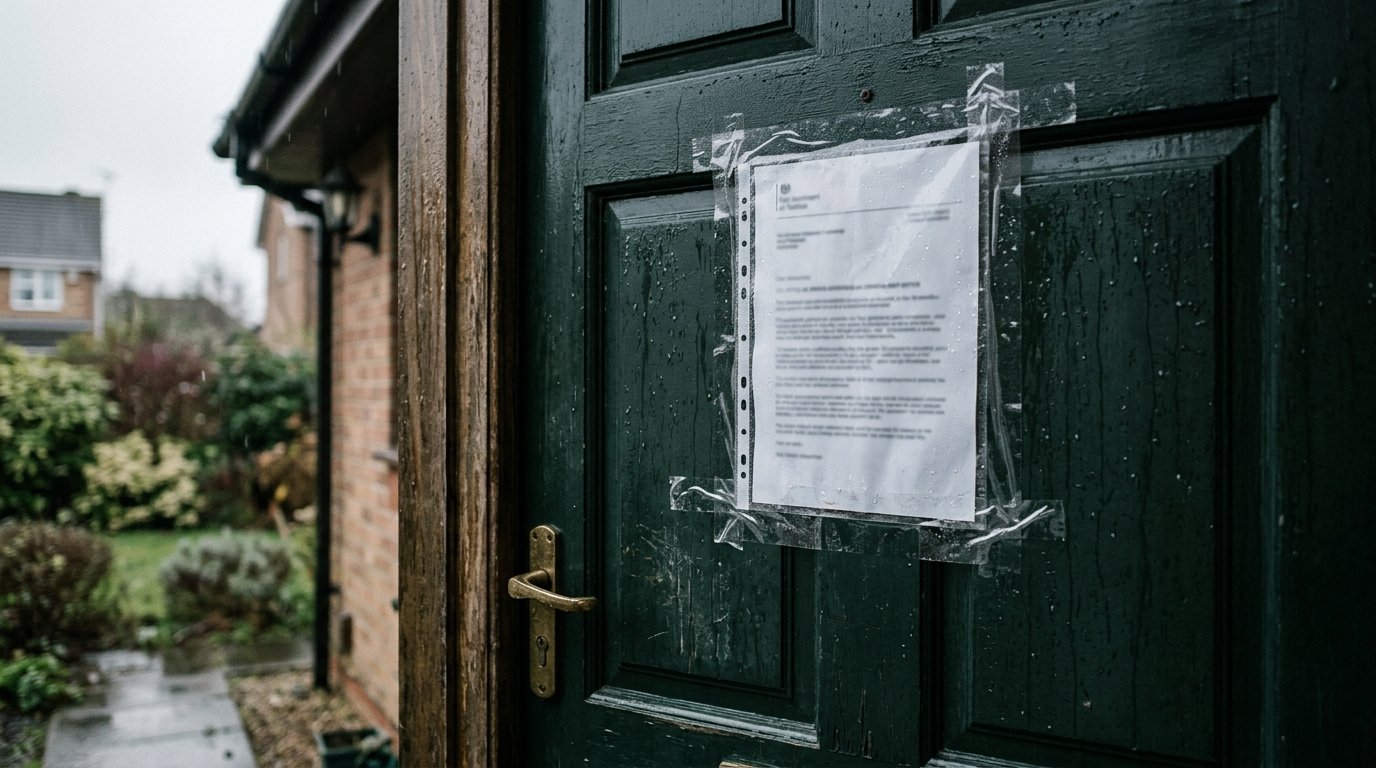
What you are legally required to disclose, and where
There is no federal statute requiring flood risk disclosure in a residential sale. What you owe a buyer depends entirely on the state the property is in.
- Texas: Texas Property Code §5.008(b) requires sellers to disclose whether the property is located in a 100-year floodplain and whether it has flooded during the seller's ownership. The vehicle is the Texas Seller's Disclosure Notice.
- Florida: Ch. 2023-279, Laws of Florida, effective July 1, 2024, added flood-specific disclosure requirements for residential sellers, including whether the property is in an SFHA and whether the seller is aware of any outstanding flood insurance rate increase notices. This is one of the most specific flood disclosure laws in the country.
- Louisiana: Act 105 of 2018 implementing La. R.S. 9:3198 created a mandatory residential flood disclosure form. Sellers must disclose SFHA status, prior flood damage, and whether flood insurance was ever required or maintained on the property. Louisiana enacted this specifically after the 2016 Baton Rouge flooding.
- California: Cal. Civ. Code §1103 requires a Natural Hazard Disclosure statement as part of every residential sale. One of the required boxes covers Special Flood Hazard Area designation.
- New York: Real Property Law §462 (the Property Condition Disclosure Act) requires sellers to disclose known flooding or drainage problems.
- Delaware: No state-specific flood disclosure statute, but the general common-law duty to disclose material defects applies. Prior flood damage that caused structural or mechanical problems would qualify as a material defect under Delaware courts' interpretation of that standard.
If your state is not on this list, check with a local real estate attorney before listing. Disclosure law is where flood zone sales generate litigation after closing. A buyer who discovers the property was in Zone AE and that you withheld that information can pursue rescission in many states. One conversation with an attorney is cheaper than defending a post-closing lawsuit.
How the insurance cost shrinks the financed buyer pool
Lenders qualify borrowers using debt-to-income ratios. Flood insurance premiums are added to the monthly housing payment in that calculation alongside principal, interest, property taxes, and homeowner's insurance. A $2,400-per-year NFIP premium adds $200 per month to the housing payment. For a buyer already near their qualifying ratio, that $200 can move them from approved to declined, or force them to offer less to bring the payment back into range.
The result on your listing: the buyer pool for a high-premium flood zone property is measurably smaller than for a comparable non-SFHA house at the same price. You will see fewer offers, more conditional offers, and a longer time to close. Research drawing on FEMA transaction data shows SFHA properties consistently sell at 6 to 13 percent below comparable non-flood-zone properties, with the discount widening as NFIP premiums increase. That discount is not a negotiating artifact. It reflects a real contraction in the number of buyers who can qualify.
The elevation certificate and LOMA: two tools that can help
An elevation certificate (FEMA Form 086-0-33) documents the precise elevation of your finished first floor relative to the Base Flood Elevation for your zone. If your floor sits above the BFE, that can reduce the NFIP premium substantially. Some properties end up $1,500 to $2,000 per year cheaper to insure with an accurate certificate than without one. A licensed surveyor produces the certificate; cost typically runs $350 to $700 depending on location and lot complexity.
If the survey shows the property is genuinely above the BFE, you can apply for a Letter of Map Amendment (LOMA) through FEMA under 44 CFR Part 72. A LOMA, if approved, removes the property from the SFHA designation entirely and eliminates the mandatory purchase requirement for any future buyer using a federally backed loan. FEMA typically reviews applications in 60 days. A successful LOMA restores a nearly full buyer pool. The downside: the process takes time, costs money for the survey and filing, and only succeeds when the elevation data genuinely supports it. If your property does flood regularly, a LOMA is not available and a lower insurance premium will not appear regardless of what the survey shows.

A worked example: Zone AE house in coastal Delaware
Sussex County, Delaware sits substantially in Zone AE along the inland bays and Atlantic coastal areas. Take a property in the Rehoboth Beach area with an after-repair value of $280,000 on an equivalent non-SFHA house two streets inland.
Because the property is in Zone AE, the effective market price is lower than the headline ARV. Using the 10 percent midpoint of the documented SFHA discount range, the realistic starting price is around $252,000.
Traditional listing path:
- List price: $252,000
- Agent commissions (6%): $15,120
- Seller closing costs (1.5%): $3,780
- Gross net before carrying: $233,100
- Estimated time to close: 75 to 90 days (smaller buyer pool, more conditional offers)
- Carrying costs at 2.5 months (mortgage $1,450, NFIP $200, taxes $280, utilities $180): $5,275
- Net after carrying: $227,825
Cash sale path:
- Cash offer: $200,000 to $210,000 (79 to 83 percent of the flood-adjusted sale price)
- No commissions, no closing costs paid by seller, no carrying period
- Close in 7 to 14 days
The real gap between paths is $18,000 to $28,000, not the full $50,000-plus that the ARV-versus-cash-offer comparison suggests. Whether that gap is worth the 75-to-90-day exposure, the risk of a buyer falling out of qualification when their DTI tightens over the NFIP premium, and the possibility of carrying the property through another storm season is the calculation each seller has to work through. For properties where we have bought in Delaware, see our Delaware cash home buying page.
Who should not take a cash offer on a flood zone house
A cash offer on a flood zone property comes in below what a traditional listing would produce. The traditional path can still make sense if all of these apply:
- You have a current elevation certificate showing a low NFIP premium, making the financed buyer pool nearly as wide as a non-SFHA property.
- You have the time to run a 75-to-90-day listing process and can absorb conditional offers without financial pressure.
- The house has not sustained actual flood damage, so lenders are not flagging remediation requirements before closing.
- You have clear flood history documentation and are confident in meeting your state's disclosure obligations.
If the house has taken on water, if the NFIP premium is high enough to push financed buyers out of qualification, or if the timeline is not flexible, the cash path closes that gap faster and with fewer moving parts. Flood zone properties also frequently overlap with other complicating situations, a major repair scenario after storm damage being the most common. When the financing block and a repair condition both apply, the conventional buyer pool can narrow to near zero and cash is the only practical path forward.
Common Questions
Does selling a flood zone house require disclosing prior flood damage?
It depends on the state. Texas, Florida, Louisiana, California, and New York all have statutes requiring flood-related disclosures. Delaware and many other states do not have a specific flood statute but impose a general common-law duty to disclose material defects, and prior flooding that caused structural or mechanical damage almost certainly meets that standard. Check with a local real estate attorney before listing to confirm your specific obligation. Getting this wrong after closing is far more expensive than getting it right before.
Can you sell a flood zone house without the buyer purchasing flood insurance?
Yes, if the buyer pays cash. The mandatory flood insurance purchase requirement under 42 U.S.C. §4012a is a lender condition, not a seller requirement and not a legal condition of the sale itself. A buyer using a federally backed mortgage must purchase flood insurance before closing; a buyer paying cash has no lender and no insurance requirement attached to the transaction. That is why cash buyers have fewer conditions on flood zone purchases and can close considerably faster.
How much does a flood zone designation lower the sale price?
Research using FEMA transaction data consistently shows homes in Special Flood Hazard Areas sell at 6 to 13 percent below comparable non-SFHA properties. The discount widens when NFIP premiums are high under FEMA's Risk Rating 2.0 methodology and narrows when an elevation certificate confirms the property sits above the Base Flood Elevation. Markets with abundant non-SFHA alternatives nearby also tend to produce larger discounts because buyers have easier substitutes.
Can you get a property removed from the FEMA flood zone designation?
Sometimes. If a licensed survey shows your finished floor elevation is at or above the Base Flood Elevation, you can apply for a Letter of Map Amendment (LOMA) under 44 CFR Part 72. A successful LOMA removes the property from the SFHA designation and eliminates the mandatory insurance purchase requirement for future buyers using federally backed loans. FEMA typically responds in about 60 days. A survey runs $350 to $700. The application is only viable if the elevation data genuinely supports it. If the property sits below the BFE, FEMA will not issue the amendment.
If you own a flood zone house and want to know what a direct cash offer looks like, call 208-540-8257 or submit your address at get-a-cash-offer. We buy in all 50 states and do not require a lender's flood insurance review to close.