
Most people selling a house know about the commission. Five to six percent of the sale price, split between the two agents. On a $400,000 home that is roughly $24,000.
What catches sellers out is everything underneath it. By the time you reach the closing table there is usually a second layer of costs that nobody mentioned at the listing appointment, and together they often add up to another five figures.
Seller-Paid Closing Costs
Depending on where you live, sellers commonly cover title insurance for the buyer, escrow or settlement fees, transfer taxes, recording fees and prorated property taxes. Budget one to three percent of the sale price. On that same $400,000 house, $4,000 to $12,000.
Repair Credits After the Inspection
This is the big one, and it is invisible until it happens. The buyer's inspector finds a list. The buyer asks for money off, or for the work to be done before closing. You are five weeks in, you have already given notice somewhere else, and your negotiating position is weak.
Repair credits of $3,000 to $15,000 are routine on an older home. On a house with a genuine roof or foundation problem it can be far more, and sometimes the deal simply dies there.
Pre-Listing Costs You Pay Up Front
- Deep cleaning and decluttering, $300 to $800
- Staging, $1,500 to $3,000 for a few weeks
- Professional photography, often bundled but sometimes billed separately
- Paint, landscaping and small fixes to get the house photo-ready
- Storage for the furniture you moved out to make rooms look bigger
None of this is refundable if the sale falls through.
The Cost of Time
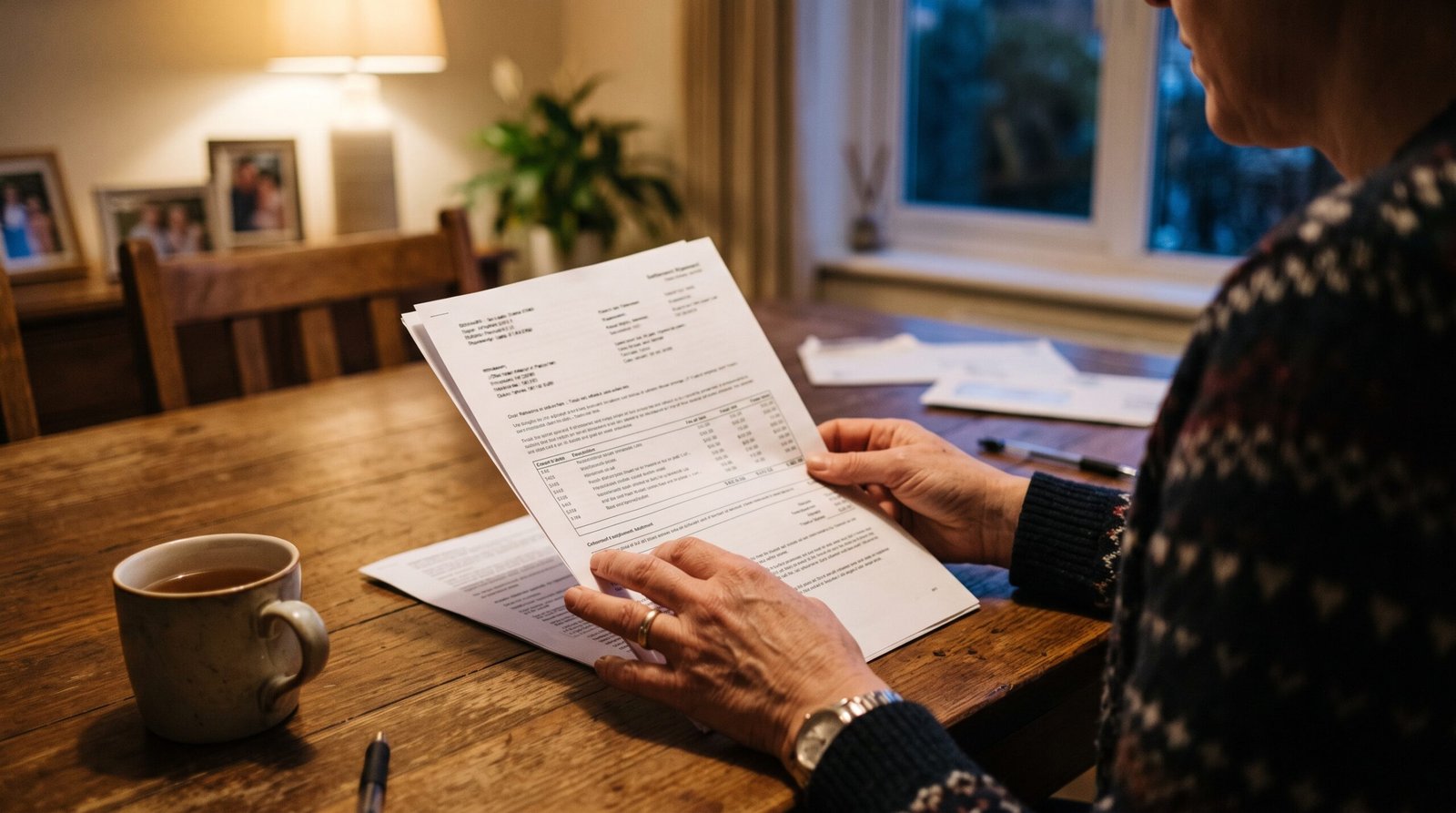
Every month your house sits on the market you are still paying the mortgage, the property taxes, the insurance, the utilities and the upkeep. On a $400,000 home that is frequently $2,500 to $3,500 a month. A listing that takes three months to go under contract and another 45 days to close has quietly cost you north of $10,000 in carrying costs alone.
Concessions and Buyer Requests
In a slower market buyers ask for more: a rate buydown, help with their closing costs, a home warranty, a longer inspection period. These are negotiable, but each one comes off your net.
Adding It Up
On a $400,000 sale, a realistic total looks something like this. Commission $24,000. Seller closing costs $8,000. Repair credits $6,000. Pre-listing spend $2,500. Four months of carrying costs $11,000. That is around $51,500, or nearly 13 percent of the sale price, before you account for any price reduction along the way.
What a Cash Sale Removes
Selling directly to a cash buyer takes commission, repair credits, pre-listing spend and most of the carrying cost off the table, and a good buyer covers the standard closing costs too. The headline number is lower. The net is often closer than people expect, and it arrives weeks sooner with far less that can go wrong.
It is not automatically the better deal. If your house shows well and you can wait, a listing will usually still net more. The point is to compare net against net rather than headline against headline.
If you want to see what the cash number looks like on your property, you can get a free cash offer from Trusted Homebuyers USA with no cost and no obligation.
Common Questions
Are realtor commissions negotiable?
Often, yes. Since the 2024 industry settlement changed how buyer-agent compensation is handled, there is more room to negotiate than most sellers assume. Ask.
Who pays closing costs in a traditional sale?
It varies by state and by what you negotiate. Sellers typically cover title insurance, transfer taxes and prorated property taxes, plus any concessions agreed with the buyer.
Can I refuse to pay for repairs after an inspection?
You can, but the buyer can usually walk. That is why repair credits are so common: by the time the inspection lands, most sellers have already committed to moving.
Do cash buyers really cover closing costs?
Reputable ones do, and it should be in writing. Ask for the estimated net to you, not just the purchase price, so you can compare offers on the same basis.
How much should I budget for carrying costs?
Add up your mortgage payment, property taxes, insurance and utilities for one month, then multiply by how long you realistically expect the sale to take. Most sellers underestimate the timeline.